When Hamtramck, Michigan counted the ballots from its November mayoral election, one number stood out immediately: 120 voters had worked with the city clerk’s office to fix, or “cure,” signature issues on their absentee ballot envelopes.
For context, Detroit had just 72 cured ballots out of more than 115,000 cast in the same election.
The reason wasn’t fraud or manipulation. It was old-fashioned community organizing and a mayoral race decided by just 11 votes.
What Is Ballot Curing?
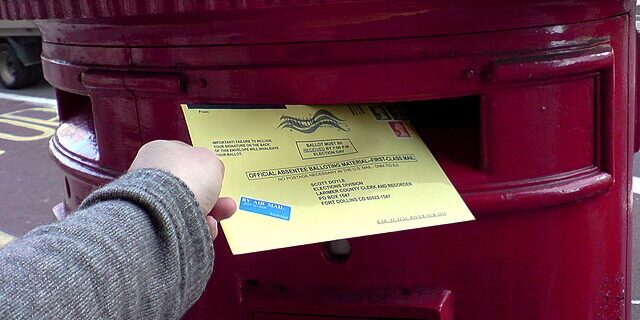
Michigan voters who cast absentee ballots must sign the outer envelope. Election officials compare that signature against what’s on file. If it doesn’t match or is missing altogether, the voter is notified and has until 5 p.m. the Friday following the election to fix it, a process known as “curing.”
The option became available in Michigan following the passage of 2022’s Ballot Proposal 2. Before that, a mismatched signature meant a ballot simply wasn’t counted.
Campaigns Drove The Push
In Hamtramck, it wasn’t city officials driving voters to cure their ballots — it was their neighbors. Voters told Votebeat they heard about their ballot problems from an uncle, a brother, or a neighbor, all connected through the city’s tight-knit immigrant networks.
“I think the campaigns were calling old ladies out of their beds,” said Abe Siblani, Hamtramck’s deputy city clerk.
Mayoral candidate Muhith Mahmood confirmed his campaign was actively involved. “We knocked doors, we called people. If somebody knows that person, they call them, they knock on their door,” he said. Mahmood noted the cured ballots ultimately helped his opponent, now-Mayor Adam Alharbi, more than himself. “I just tried to do the right thing, to make sure people are heard.”
A Proven Strategy
Ballot curing operations are nothing new in states like Arizona, where parties have run them for over a decade. Charlene Fernandez, chair of the Arizona Democratic Party, pointed to the 2022 attorney general race as proof of concept — Democrat Kris Mayes won by just 511 votes after Democrats worked to cure thousands of ballots statewide. “Every vote matters, and it can change an election,” Fernandez said.
Republican Concerns
Not everyone is on board. Former Alabama Secretary of State John Merrill, a Republican, warned that curing operations can create a perception of abuse if not applied evenly. “There is a perception that they use this opportunity to get those ballots turned in after the election for their candidate to either catch up or extend their lead,” he said.
Merrill and other Republicans argue elections should end on Election Day — and that post-election curing blurs that line.
What’s Next In Michigan
Michigan Democrats say they already have a statewide curing operation running. Michigan GOP Chair Jim Runestad did not respond to questions about whether Republicans have a similar effort underway — though other state Republican parties do.
The lists of voters whose ballots need curing are public record, meaning any organized group can access and act on them. In a state that has decided races by razor-thin margins, that list may become one of the most valuable documents in Michigan politics.