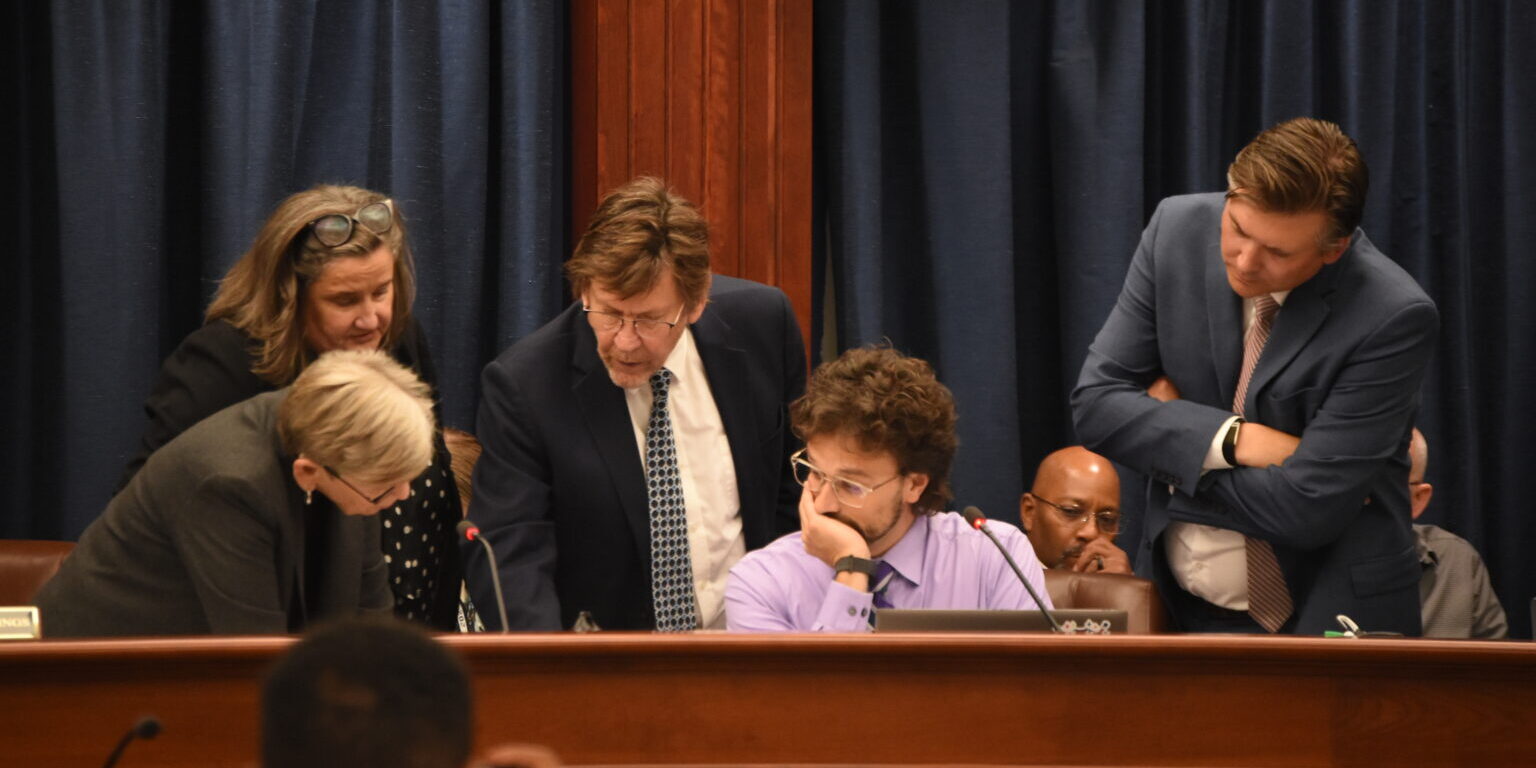
Michigan Senate Democrats’ effort to raise the state’s minimum wage to $17 per hour by 2027 stalled Thursday after a centrist Democratic senator joined Republicans to block the measure from advancing out of committee, creating an unexpected roadblock for a policy that Governor Whitmer had made a key legislative priority for the new year.
Senate Bill 44, introduced by Senate Majority Leader Winnie Brinks, would have raised Michigan’s minimum wage from its current $10.33 per hour to $15 on January 1, 2026, and to $17 by January 1, 2027, with annual cost-of-living adjustments thereafter tied to the Consumer Price Index. The bill also included a phase-out of the tipped worker subminimum wage, which currently allows restaurants and hospitality employers to pay tipped workers $3.93 per hour.
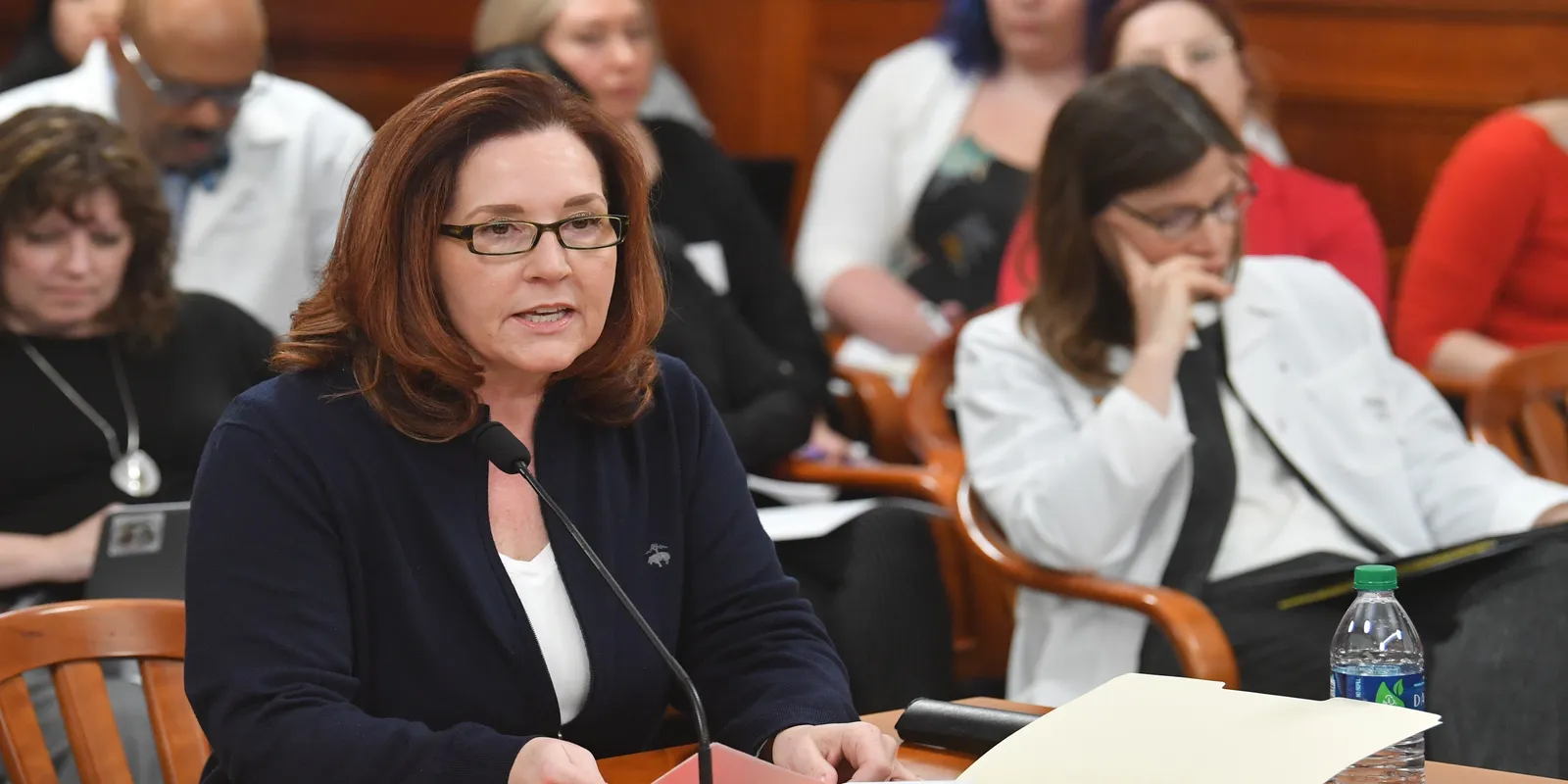
Sen. Mallory McMorrow, D-Royal Oak, whose vote was considered essential to the bill’s passage, said she supported the minimum wage increase in principle but could not vote for the tipped wage elimination without more time to study its economic impacts on small restaurants in her district and across the state. Restaurant industry lobbyists had been intensively targeting her office in the weeks leading up to Thursday’s vote.
“I believe every worker deserves a living wage, and I am not done working on this legislation,” McMorrow said in a statement after the committee meeting. “But I have heard deeply from small restaurant owners who are genuinely afraid of what the tipped wage change means for their ability to stay open, and I need more time to work through that.”
Senate Republicans argued that the overall wage hike would harm small businesses, reduce youth employment, and accelerate automation in service industries, citing a University of Michigan study published in November that found wage increases above $15 were associated with measurable employment declines in Michigan’s lowest-wage counties.
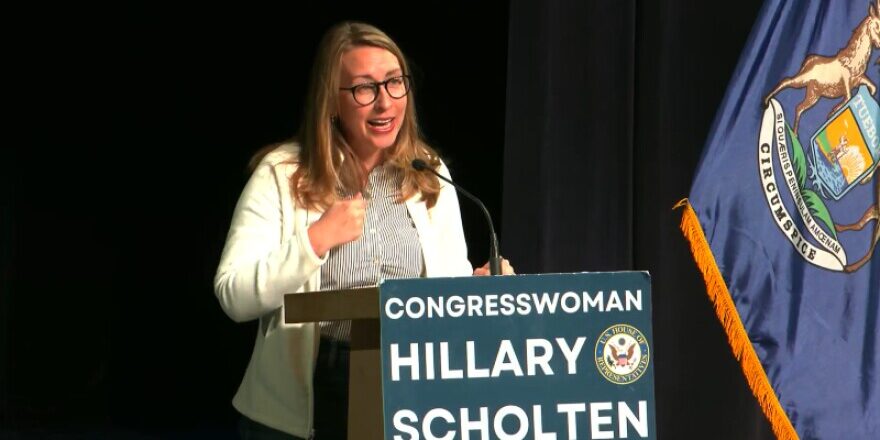
Brinks said she intended to bring a revised version of the bill to the floor that might separate the tipped wage elimination from the base minimum wage increase to secure the votes needed for passage. Gov. Whitmer expressed frustration with the delay but said she remained committed to a minimum wage increase before the end of the legislative session in December 2026.
Michigan’s current minimum wage ranks in the bottom half of all states, well below Illinois at $15, Ohio at $10.45, and Indiana at $7.25. Labor advocates warned that continued inaction would push more workers into poverty and widen Michigan’s growing income inequality gap.